
AI automation for Automotive
One inbox for every lead source, an automatic first reply within minutes, and follow-up that doesn't depend on someone remembering.
Stop paying people to copy and paste. The outcome people actually want: hours back every week, and no more leads dropped between two systems.
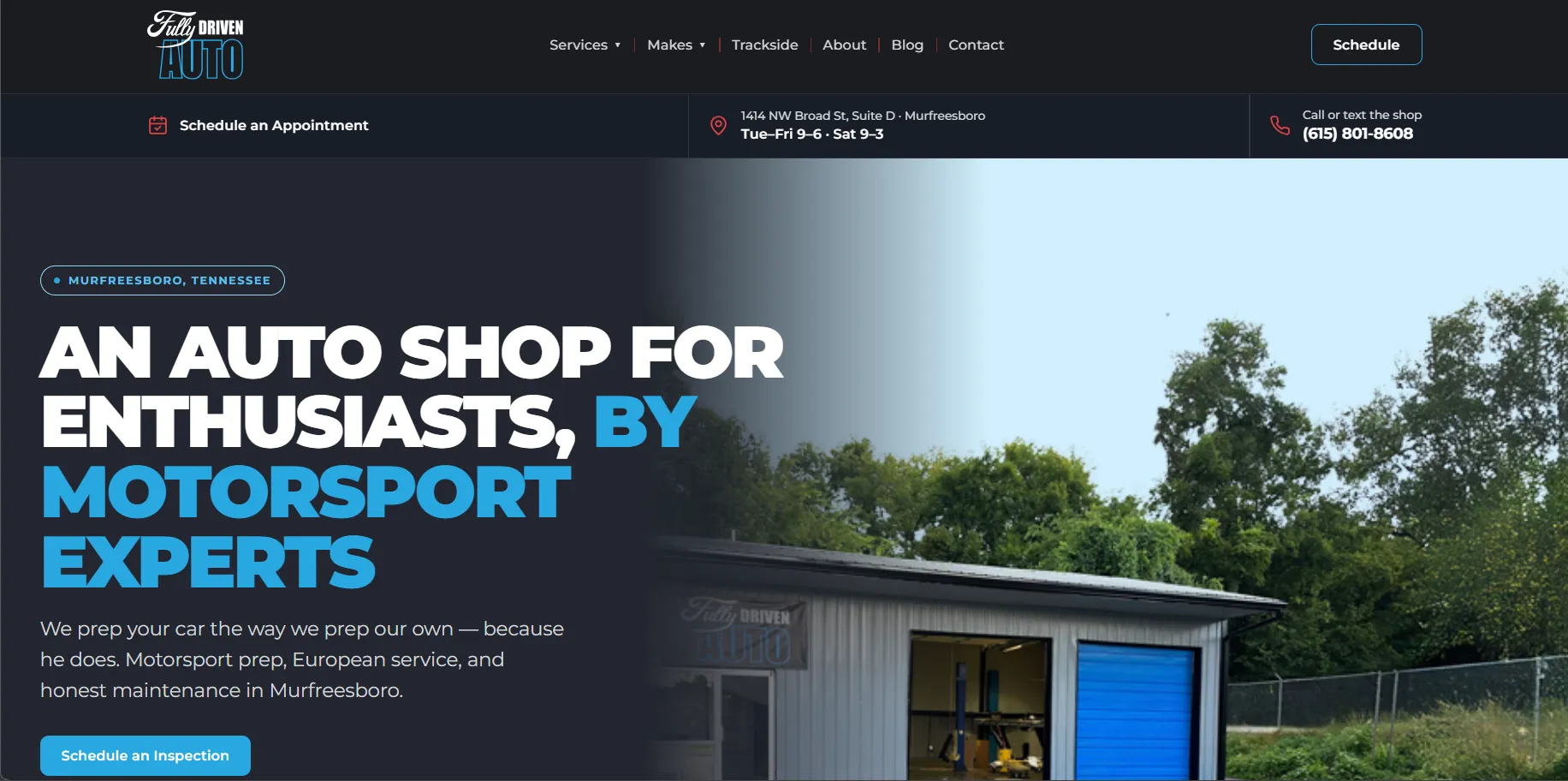
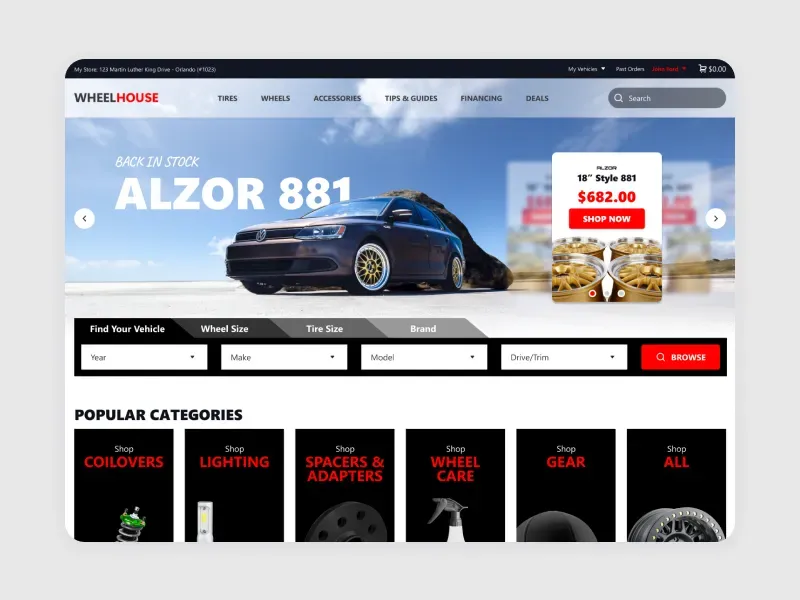
Leads arrive from everywhere and get answered from nowhere.
Automotive enquiries come through the website, third-party listing sites, phone calls, texts and social messages, often into different inboxes. The business that replies first usually wins, and the business checking five places rarely replies first.
- Leads from listing sites and your own website end up in different places.
- Booking a service still means a phone call during opening hours.
- Customers ask questions your website should answer — hours, services, what happens at a diagnosis.
- Reviews arrive unevenly because nobody asks for them consistently.
What you get, in order.
A process map
Every step as it actually happens today, including the undocumented ones. Yours to keep either way.
A prioritised list
What to automate first, what to leave alone, and what's a policy problem rather than a software one.
The build
Integrations, forms, routing, notifications and the error handling for when something upstream breaks.
Handover and training
Documentation written for your team, plus a session so someone internal can change it without us.
Who this is for.
Independent dealerships, repair and service shops, and specialist automotive businesses with steady demand and more leads than their current process handles well.
It's a poor fit for franchise dealers locked into a manufacturer-mandated website platform — though the follow-up and automation work usually still applies.
What makes it bigger or smaller.
Smaller
- One process
- one team
- Tools with real APIs
- A decision-maker in the room
- Clean data to start from
Bigger
- Several departments involved
- Legacy software with no API
- Compliance or audit requirements
- Data that has to be cleaned first
No numbers here — we'll put one in writing after we've seen it.
Before, during, and after.
Scope the build — or map the process first
If the process is clear, we scope the build directly. If it isn't, we start with a Process Deep Dive, so we automate the right thing. Either way you get the process map and the priority list.
Build in slices
One workflow at a time, live and in use before the next one starts. Nothing sits in a branch for six weeks. Timeline depends on how many systems have to be touched.
Managed, or handed over
Monitoring, troubleshooting and small adjustments as an ongoing managed service — or a documented handover if you’d rather run it in-house. Both are fine. New systems are scoped separately.
What automotive businesses ask about ai automation.
How much does AI automation cost?
There's no price on this page and no starting-at figure, because the honest answer depends on how many systems have to be touched. We scope it during discovery and put a fixed number in writing before any build begins.
How long does an AI automation project take?
Discovery usually runs two to three weeks. The build is delivered in slices, with the first workflow live before the next one starts, so you see value before the whole thing is finished.
Do we have to replace our current tools?
Usually not. The first move is to make what you already pay for work together. Replacing a tool is a recommendation we make only when integration genuinely isn't possible.
Which tools do you use?
Whatever fits your stack. We work with the native integrations and APIs of the tools you already pay for, integration platforms where they make sense, and AI models where they earn their place. We’re not tied to any one vendor, so the recommendation is about what works for you.
What happens if an automation breaks?
It will, eventually — an API changes or a vendor deprecates something. Every build ships with monitoring and error alerts so a silent failure doesn't quietly cost you a month of enquiries.
Is this AI, or is it integrations?
Both, where each one earns its place. Deterministic integrations handle anything that has to be right every time. AI-assisted steps handle summarising, drafting and classifying, with a human check where the cost of being wrong is high.
Do we need to buy anything else from you first?
No. Automation stands on its own. You don’t need a creative engagement or a consultation to start — though if the process is unclear, we’ll suggest mapping it first.
Can you connect our website leads to our CRM or DMS?
Usually, yes. Most dealership and shop management systems accept leads by email parsing, direct integration or an integration layer. We confirm what your system supports before we build anything.
Can customers book service online?
Yes. We can add online booking that writes into your scheduling tool, or a request form that's answered automatically out of hours and confirmed by your team in the morning.
Do you work with franchise dealers?
We work best with independent dealers and service businesses that control their own website. For franchise dealers on a mandated platform, we focus on follow-up and automation rather than the site itself.
How do we get more reviews?
By asking consistently at the right moment. An automated request sent after a completed service or sale is simple to set up and removes the need for anyone to remember.
Related services.
Tell us which Monday morning job you'd delete first.
Fifteen minutes, no deck, no pitch. You describe the problem, we tell you what we'd do about it and whether we're the right people for it.
That's away.
We've got it. You'll hear back from us directly — a real reply from the people who'll work on it, not an automated sequence.
Talk soon.