
Web design for Automotive
Service and inventory pages built around the questions customers actually ask, with booking and contact that work on a phone.
The outcome people actually want: a site that brings in enquiries, not just one that looks current.
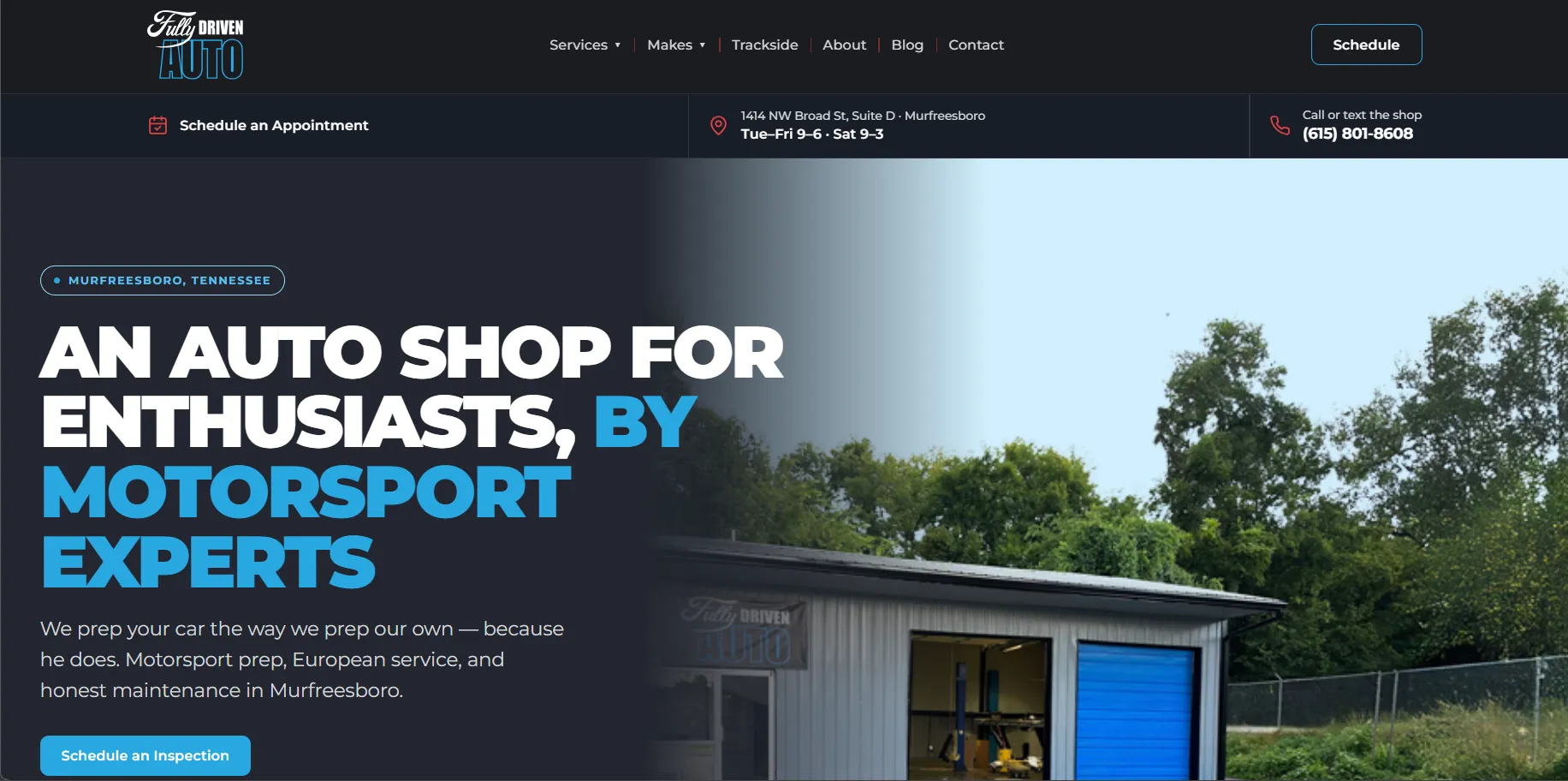
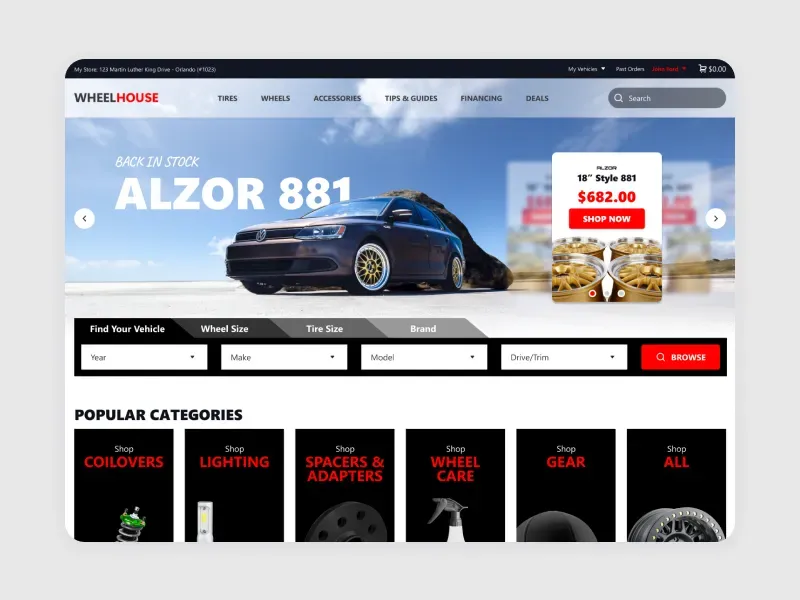
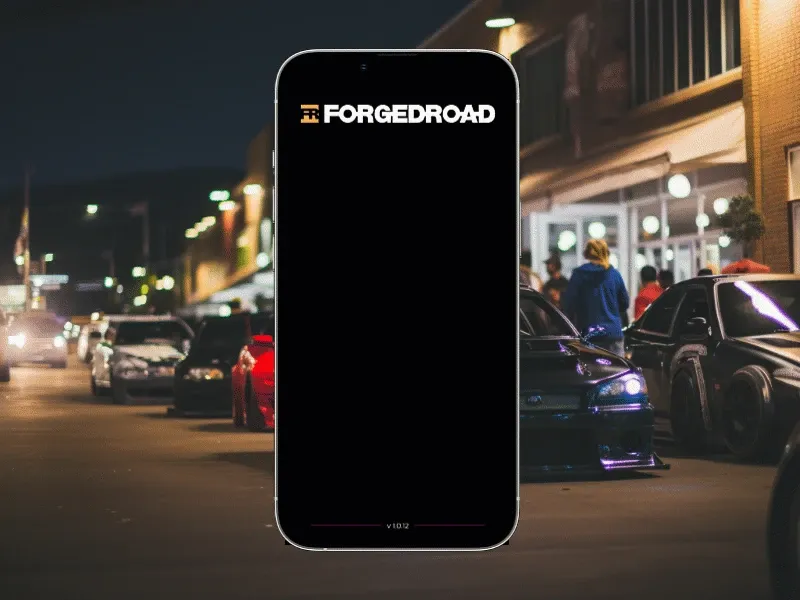
Leads arrive from everywhere and get answered from nowhere.
Automotive enquiries come through the website, third-party listing sites, phone calls, texts and social messages, often into different inboxes. The business that replies first usually wins, and the business checking five places rarely replies first.
- Leads from listing sites and your own website end up in different places.
- Booking a service still means a phone call during opening hours.
- Customers ask questions your website should answer — hours, services, what happens at a diagnosis.
- Reviews arrive unevenly because nobody asks for them consistently.
What you get, in order.
A page plan
Which pages you need, what each one is for, and the questions it has to answer — agreed before anything is designed.
Wireframes
The structure of the key pages in plain grey boxes, so we settle the order of things before we argue about colour.
Visual design
Desktop and mobile designs built on a small system of type, colour and components, so new pages stay consistent.
A build-ready handover
If we're building it too, the design goes straight into the build. If you have a developer, you get organised design files and a component guide.
Who this is for.
Independent dealerships, repair and service shops, and specialist automotive businesses with steady demand and more leads than their current process handles well.
It's a poor fit for franchise dealers locked into a manufacturer-mandated website platform — though the follow-up and automation work usually still applies.
What makes it bigger or smaller.
Smaller
- A handful of core pages
- Copy you already have
- An existing brand to work from
- One decision-maker
Bigger
- Dozens of pages or locations
- Copy written from scratch
- A new brand at the same time
- Booking or CRM integrations
No numbers here — we'll put one in writing after we've seen it.
Before, during, and after.
Discovery, one to two weeks
We look at your analytics, your enquiries and your competitors, and talk to the people who answer the phone. You get a page plan and a short written read on what the current site gets wrong.
Design in rounds
Wireframes first, then visual design, with a review at each step. You see real pages early, not a moodboard and a big reveal.
Launch, then look
We watch how people use the new site for the first few weeks and fix what the data points at. Ongoing improvement can roll into a partnership; it doesn't have to.
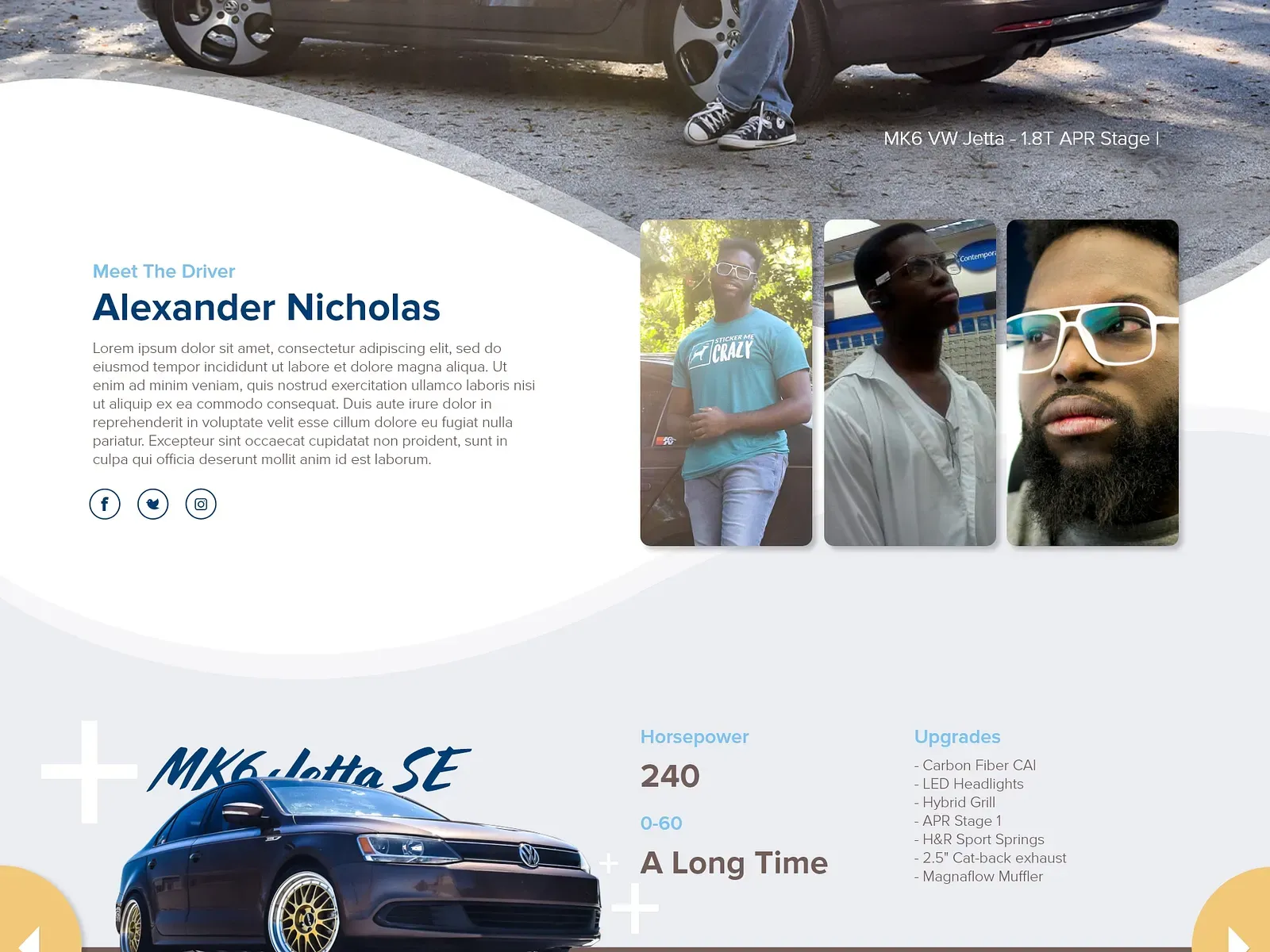
Web design examples.
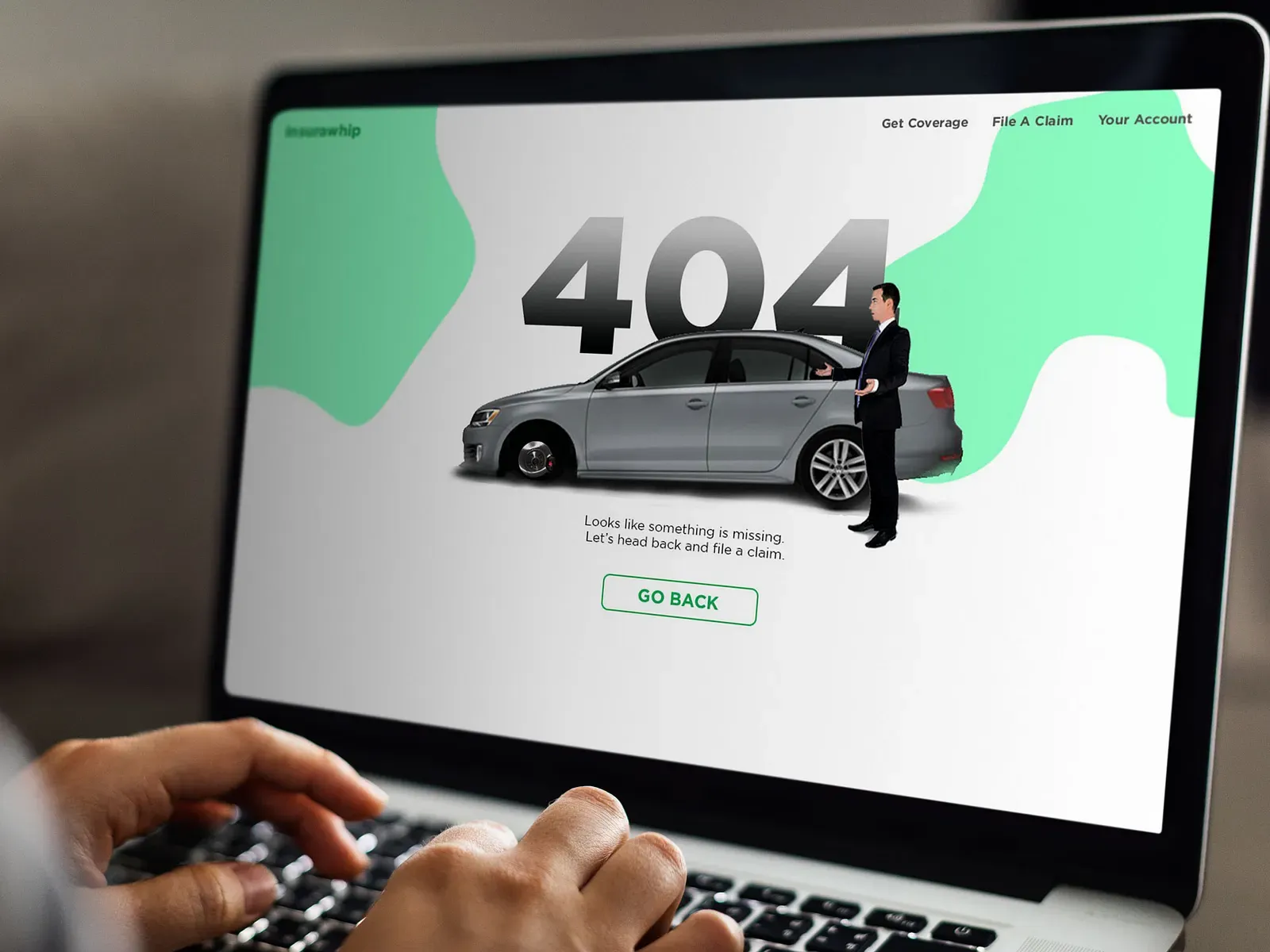
What automotive businesses ask about web design.
How much does a website redesign cost?
There's no price on this page, because the honest answer depends on page count, whether copy exists, and what the site has to connect to. We scope it in the first conversation and put a fixed number in writing before any design starts.
How long does a website redesign take?
Most redesigns take somewhere between six and twelve weeks from discovery to launch. Smaller sites with existing copy land at the short end; sites with new copy, many pages or integrations take longer.
Do you write the copy too?
We can. Copy is often the part that's really broken, so we'd rather help with it than design around words that don't work. If you have a writer, we'll work with them.
Will we be able to update the site ourselves?
Yes. We build on platforms your team can edit — text, images and pages — without a developer, and we train whoever will be doing it before we hand over.
Will a redesign hurt our search rankings?
Not if it's handled properly. We map every old URL to its new home, carry over what's already ranking, and check search performance after launch. Most redesign damage comes from skipping that step.
Can you look after the site after launch?
Yes, through an ongoing creative engagement: reserved monthly capacity for updates and improvements, and a partner who flags what should change next. It is optional — the site is yours either way.
Can you connect our website leads to our CRM or DMS?
Usually, yes. Most dealership and shop management systems accept leads by email parsing, direct integration or an integration layer. We confirm what your system supports before we build anything.
Can customers book service online?
Yes. We can add online booking that writes into your scheduling tool, or a request form that's answered automatically out of hours and confirmed by your team in the morning.
Do you work with franchise dealers?
We work best with independent dealers and service businesses that control their own website. For franchise dealers on a mandated platform, we focus on follow-up and automation rather than the site itself.
How do we get more reviews?
By asking consistently at the right moment. An automated request sent after a completed service or sale is simple to set up and removes the need for anyone to remember.
Related services.
Tell us what your website is supposed to do. We'll tell you whether it's doing it.
Fifteen minutes, no deck, no pitch. You describe the problem, we tell you what we'd do about it and whether we're the right people for it.
That's away.
We've got it. You'll hear back from us directly — a real reply from the people who'll work on it, not an automated sequence.
Talk soon.